
Firm News and Resources
Stay Informed with Our News, Insights, and Tools
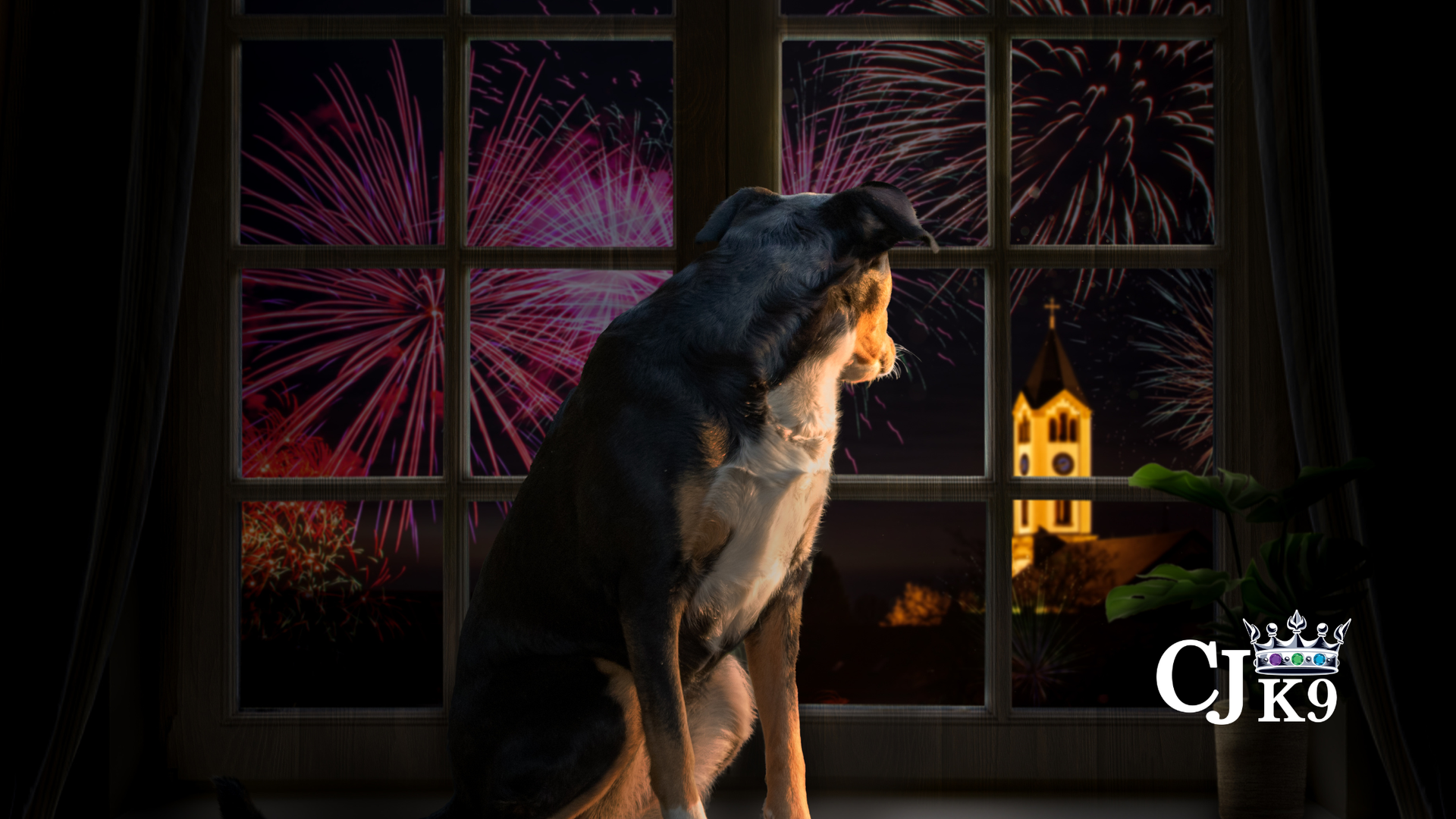
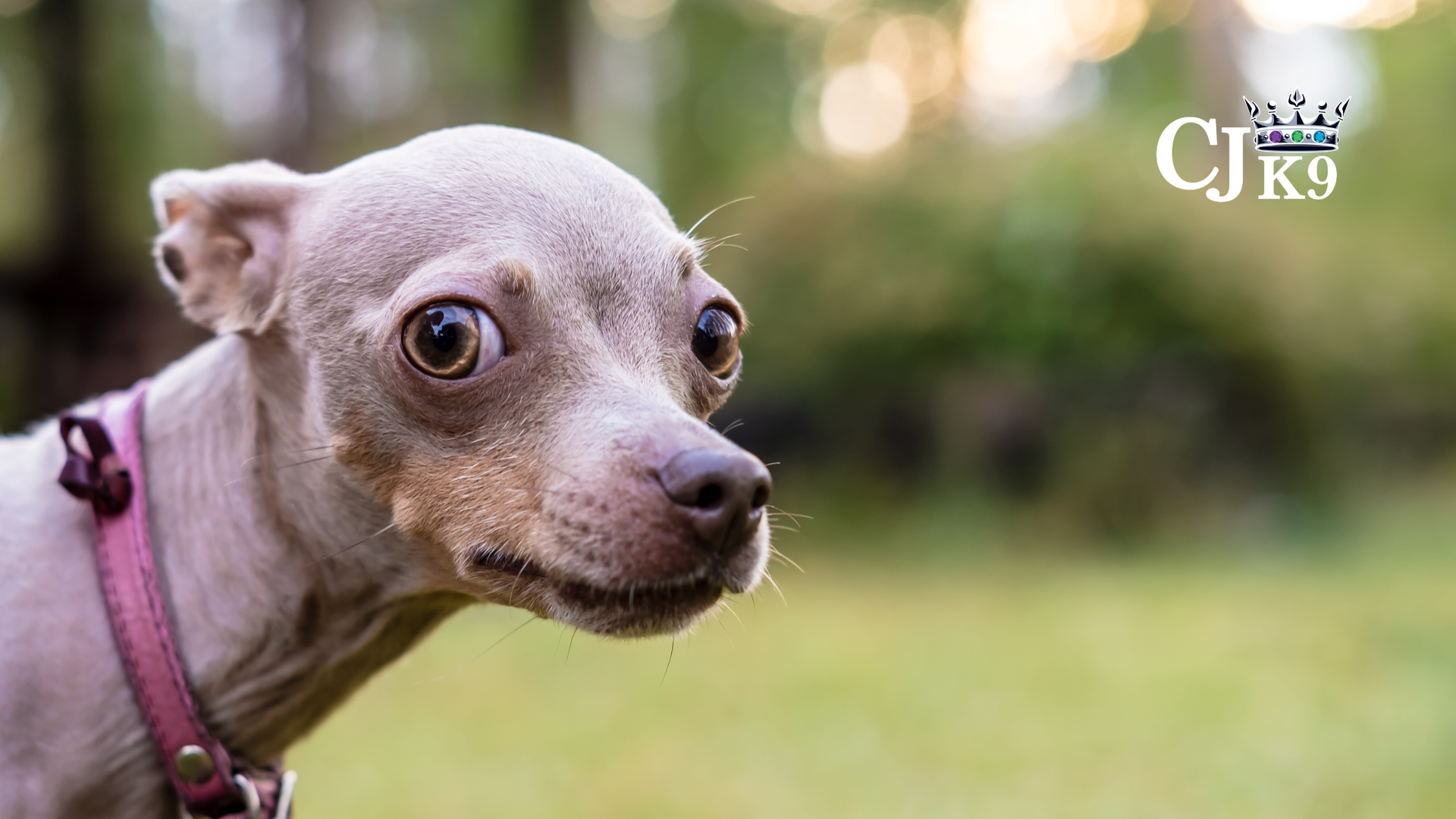
For weeks, we’ve been looking forward to the Fourth of July. With this year being the 250th birthday of America, it is an extra special year for many of us. But for our canine friends — Fourth of July is often an annual night of terror. After all, they have more sensitive ears than we do. They can hear more ranges and frequencies. So those noises aren’t just loud, they may cause your dog pain. Dogs are also a lot like us — they like predictability. But Fourth of July is full of unpredictable noises and sudden, loud cracks and whistles they can’t understand. Vibrations from fireworks and bright lights can create uncomfortable and scary sensory overload. While not all dogs are scared by fireworks, many are…. And even dogs who have previously seemed unfazed by fireworks may suddenly be afraid. Certain breeds are especially sensitive, and if this is your first Fourth of July with your pup — it’s better to be safe than sorry. Statistically speaking, the Fourth of July is the day when most dogs run away. Animal shelters throughout the nation will spend their busiest day of the year on July 5th, trying to help those runaway dogs reconnect with their families. There are a few things you can do to prevent your dog becoming a statistic. Make sure you take your dog for an extra long walk before the sun goes down on July 4th. Having a reason to be tired is a good thing and some exercise will help her to be more calm when the fireworks start. Whether your dog is microchipped or not, make sure he has an ID collar on, just to be safe. Even if you have a fenced in yard, bring your dog in the house before dark. A scared dog may have an adrenaline-rush jump over the fence or dig his way out while you’re distracted by the fireworks. Leave your dog at home; the fireworks are for you, not for them. At home, dim the lights and turn on the TV, some music, or white noise — something that will drown out the fireworks a bit. Create an indoor safe space for your dog with their kennel. Perhaps add some clean blankets and a favorite chew toy. Consider freezing a kong with peanut butter to keep your dog distracted during the show. If you have a nervous dog, you may need to resort to a medication for the evening. Talk to your vet about his / her recommendations. They may recommend a prescription or even a dose of Benadryl to help your dog sleep. These steps can help minimize the terror of Fourth of July for your dog. We certainly want to enjoy the day, while being sensitive to our furry companions. If you know you have a nervous dog — working ahead of schedule with a trainer can help as a preventative measure and help desensitize your fur baby to the loud noises…. And if you’ve missed the opportunity for Fourth of July — get ahead of schedule for Labor Day and New Year’s Eve. Remember, it can take a dog a couple of days to relax again after Fourth of July. Be patient with him after the fireworks are over. Do your best to get back to the regular routine your dog knows and trusts. Finally, be sure to save a hot dog for your fur-baby to enjoy after the loud booms and explosions have ended.
Is your dog spoiled? Most dog owners will enthusiastically say, “YES!” as a badge of honor. After all, to say your dog is spoiled is a reflection of how great a pet-parent you actually are! And I’m not talking about a special treat for a good boy or a good girl…. That’s obvious. But what if we’re spoiling our dogs in a way that is actually hurting them? What if we’re creating fragile dogs through manufactured environments and prevention of behaviors that are…. Well, normal for dogs? When we prevent dogs from being dogs, keeping them sheltered and secure to the point that they don’t enjoy normal dog behavior, we’re actually causing them harm. Dogs need sunlight (so do you!)…. They need movement (so do you!)…. They need microbes and exposure to germs to build up their immunity (so do you!)…. And they need socialization (so do you!)…. In fact, it’s safe to say that we have a lot in common with our four-legged friends! In order to thrive, we need opportunities to explore and learn…. And so does your dog. The outcome of never letting your dog be a dog is creating a generation of weak, shaky, and fearful dogs. Keeping dogs from doing dog-like things is creating anxious dogs with health problems. So yes, we want to spoil our dogs. But we also want to give them opportunities to thrive and be resilient and confident. “But Shaunna,” you might be thinking…. “Didn’t you just have a blog that said I shouldn’t take my dog to a dog park?” Yes…. Yes, I did and thank you for reading and remembering that blog! I stand by what I said and dog parks aren’t the only place for dogs to experience sunlight, movement, microbes, and socialization. Dogs were awesome at being dogs for centuries before the concept of a dog park. A dog park isn’t the only place where a dog can be a dog. Your dog loves being with you, so take him or her on a walk through a nature trail; let them sniff — even if you have to stop every two feet. Let them roll in the mud even if you dread the process of giving them a bath later. Engage with them and let them have purposeful jobs that engage their minds and bodies. This is why I’m such an advocate for Search and Rescue training classes for dogs and their pet parents. It’s a great way to give your dog an opportunity to be a resilient dog who enjoys a purpose and the satisfaction of a job well done. Just like you do. Let them love life side-by-side with you as your confident companion, not your fearful sidekick. Last thing — Crown Jewel K9 will be bringing additional enrichment classes very soon, including scent work, agility, hiking, trick training, and dock diving (swimming). As a professional dog trainer, I’m a big advocate for all of this and more as a part of a well-rounded game plan to build stronger, happier dogs.
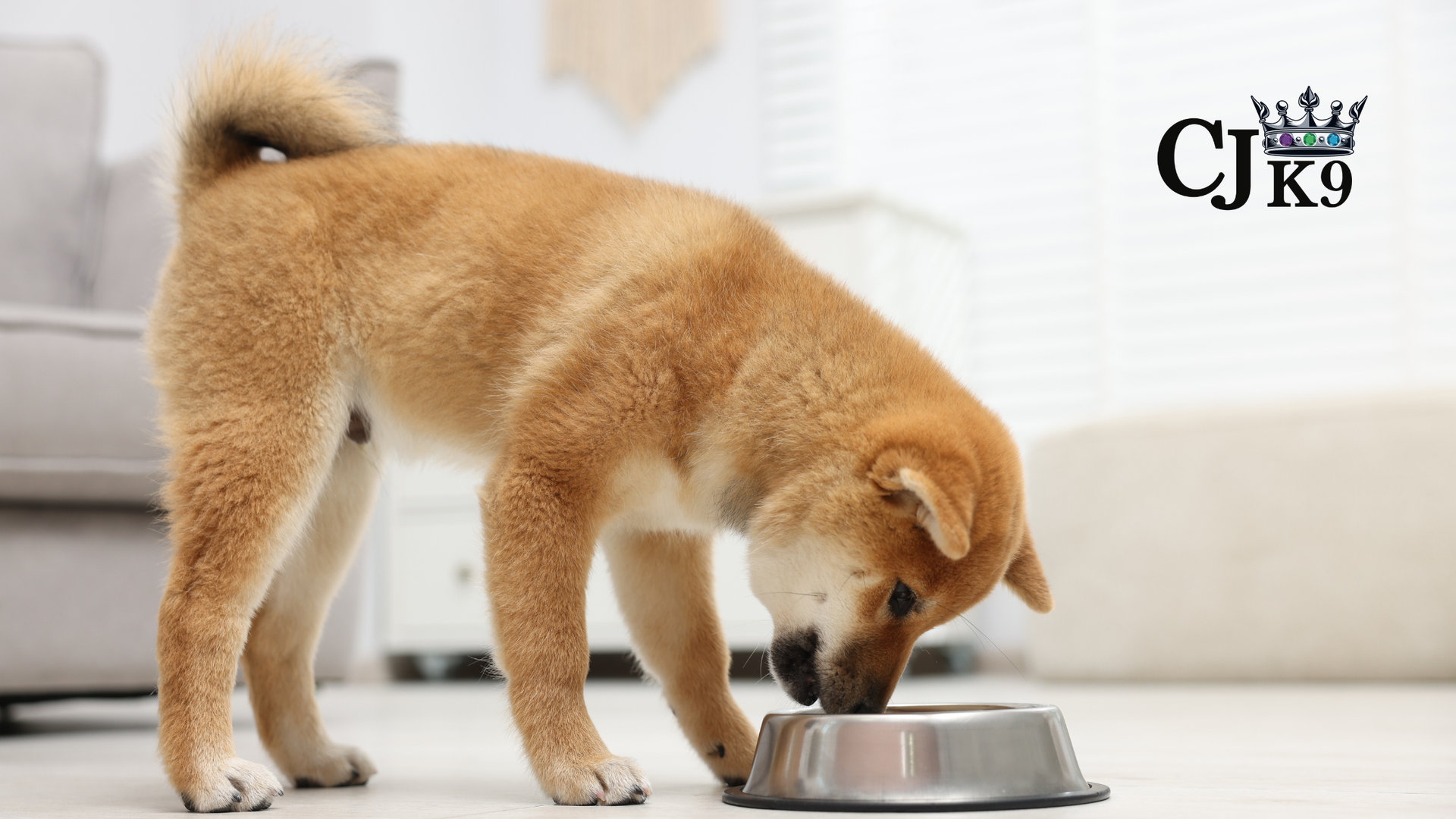
Welcome to May! And on May 9th, Happy Dog Mom’s Day! This month, let’s talk dog food. This can be a highly controversial topic and it’s not our job to be an “expert” on best diets for your dog. That’s a conversation between you and your veterinarian. However, as the raw food diet for dogs is trending on social media these days — let’s talk about the different schools of thought so you can be prepared to discuss the options at your dog’s next vet appointment. BARF (Biologically Appropriate Raw Food) BARF is made of 70% muscle meat, 10% raw edible bones, 10% secreting organs, and 10% produce (vegetables and fruits). These diets may also include supplements such as fish oil or kelp to make sure all the essentials are covered. The pros of this diet — this is about as natural as it gets. Just as the Paleo Diet for humans aims to structure our diets as the caveman’s, the BARF Diet is centered around what the dog’s natural diet in the wild would be. However, it’s not without its issues. Beyond the cons of cost (hello! Cha-ching!), the BARF Diet can carry with it potential for bacterial risks — salmonella, listeria, and E. coli being among the top concerns. Additional cons include the possible deficiencies in calcium or other essential vitamins. And of course, choking concerns anytime you give a dog bones. Dry Food Kibble Dry food is, hands down, the most affordable option when it comes to feeding our dogs, and provides additional benefits such as a reduction of tarter and plaque on the dog’s teeth. It’s easy to measure and store. It has a longer-term shelf life, as well. Additionally, dry food offers a complete nutrition profile, taking the guess-work out of ensuring all the essential vitamins and minerals a dog needs are met. However, depending on the brand — the protein quality may be compromised. It’s important to review your ingredient list to ensure your dogs are being fed quality ingredients, without a lot of fillers or byproducts. Additionally, the low moisture content may lead to dehydration if your dog doesn’t naturally drink enough water. Wet Food Canned Wet food offers the hydration benefit that those dogs on a dry diet may miss, especially if they do not drink much water. Wet food is a great option for picky eaters or seniors who have a reduced sense of smell or may have missing teeth. A con to a wet diet is the potential for tarter build up on teeth, not to mention the shorter shelf-life of open cans. For a dog who grazes rather than eating at designated meal times — a wet diet may spoil if set out too long. A hybrid approach between dry and wet foods is the most common approach to feeding. Homemade / Cooked Diet Owners who want to invest in the time and energy to create homemade and cooked meals for their dogs certainly have an advantage — they can source their ingredients and eliminate many of the fillers, byproducts, and preservatives often found in manufactured dog food. However, this is a major commitment. Those who choose this route have to ensure they are monitoring the overall nutritional needs of the dog. While well-intended — studies have shown that 95% of homemade recipes are lacking in at least one essential nutrient the dog needs. Vegetarian / Vegan Diet Many vegetarians and vegans may be drawn to the idea of putting their dog on a vegetarian / vegan diet. However, proceed with caution. Dogs are omnivores and while they can survive on plant-based food, they still need their unique dietary requirements respected and considered. Dogs who eat a variety of fruits and vegetables in their diets do enjoy beautiful coats, but there are health issues to be considered. Can it be safely done? Yes — but you should always consult a veterinarian before doing so. Again, this is not our area of expertise, but we are often asked about our opinions for dog food. I’m a big proponent for doing your homework, researching brands, and again — always consult your veterinarian.